Unlocking Your iPhone Potential: Challenges, Opportunities, and Smart Decisions in Jailbreaking
Modern iPhone users face a persistent question: should they stick with the secure but closed ecosystem that Apple offers, or explore beyond its limits? Enthusiasts who seek greater control, deep customization and access to features Apple does not allow often look to solutions like iphone jailbreak tools. For some this journey represents freedom and new possibilities. For others it comes with complications they did not plan for. Before making such a fundamental decision, it helps to understand what jailbreaking means, why people pursue it and what risks are attached.
Jailbreaking, at its heart, is the practice of removing software restrictions that Apple places on iOS devices. It allows users to install apps, tweaks and system customizations that are not available through the official App Store. On the surface this sounds exciting and empowering. But along with that excitement come important questions about security, stability, warranty support and long-term usability that every thoughtful user should weigh carefully.
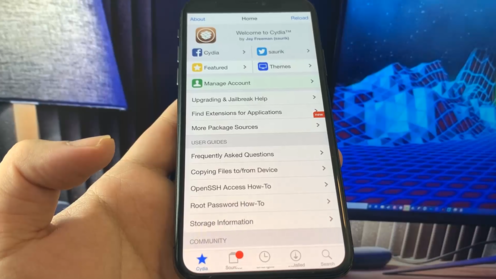
What Jailbreaking Really Means for Your iPhone
When you jailbreak an iPhone, you essentially obtain administrative or “root” access to the phone’s operating system. This means you can install unofficial applications, change interface elements and run software that Apple does not approve. For many tech-savvy individuals, this level of control opens doors to unique personalization and enhanced performance. You might add custom control panels, install widgets that are not supported by default, or run emulators and tools that otherwise would be blocked.
However, it is important to note that Apple’s security features exist for a reason. These protections ensure consistency, stability and a secure environment for the user. Once those walls are lowered, the device is more vulnerable to threats that were previously mitigated by Apple’s built-in checks. Security researchers and analysts point out that jailbreaking can make the operating system more susceptible to malware and unauthorized access. Some of these risks involve root-level changes that can expose personal data or allow malicious code to run without the same safeguards that Apple usually provides.
The Benefits That Draw Users In
Despite the risks, many users choose to jailbreak because the benefits can be compelling. The most common reason is customization. Once jailbroken, iPhones can be transformed visually and functionally. You can change system icons, control center layouts, lock screen styles, interface animations and more. This level of personalization is simply not possible in the stock environment.
Another powerful incentive is access to third-party applications that Apple’s App Store does not allow. These can include enhanced file managers, advanced automation tools, custom tweak interfaces and more. Developers in the jailbreak community create repositories of software that users find appealing precisely because Apple restricts them by default.
For some users, removing pre-installed Apple apps or system limitations provides a sense of ownership over their device that goes beyond what many Android devices traditionally offered. Some even use jailbreak features to bypass carrier restrictions or to enable functionalities in regions where Apple limits certain services.
Critical Risks You Can’t Ignore
Before deciding to jailbreak, it is crucial to understand the associated drawbacks. Security experts emphasize that the more you remove system protections, the more opportunities exist for unauthorized access and malware. Without Apple’s built-in vetting and sandboxing, malicious or poorly programmed software may compromise device security.
Another important consideration is warranty and support. Apple’s official policy states that modifying iOS in an unauthorized way voids any warranty on the hardware and software. If something goes wrong after jailbreaking, Apple may refuse repair service even for unrelated issues.
Jailbreaking also puts updates at risk. When Apple releases new versions of iOS, the updates may not be compatible with a jailbroken device. This means you may have to wait for new jailbreak tools or lose access to the latest security patches from Apple. The cumulative effect of missing updates can leave your device increasingly vulnerable over time.
Balancing Expectations with Reality
For some users, the value of jailbreaking is about expression and customization. For others it is simply the desire to experiment and push devices beyond their original design. But more than anything, it is a trade-off. The autonomy you gain comes with responsibilities and compromises. Weighing the pros and cons carefully allows you to make a smart, informed choice that aligns with your goals and tolerance for risk.
In the modern iOS ecosystem, Apple has adopted many features that were once only possible through jailbreak tweaks. As the system evolves, the gap between stock capabilities and jailbreak-only features continues to narrow. That means many users find themselves asking whether the risks still justify the effort, or if they are better served by maximizing what the official iOS already provides.
Frequently Asked Questions
Is it safe to jailbreak my iPhone?
Jailbreaking removes layers of security built into iOS, making your device more vulnerable to security risks, malware and unauthorized access. It also means you may lose official support from Apple if problems arise. Careful research and understanding of the tool you intend to use is essential.
Will jailbreaking affect my iPhone warranty?
Yes. Apple considers jailbreaking an unauthorized modification, which voids the original warranty. If you seek service after jailbreaking, Apple may deny repairs, even for unrelated hardware issues.
Can I update my iPhone after I jailbreak it?
Updating a jailbroken iPhone often removes the jailbreak and can potentially lead to errors or conflicts. Many users wait for compatible jailbreak updates before proceeding with system updates, which means security patches may be delayed.
What benefits will I see from jailbreaking?
Benefits include deeper customization, access to third-party software repositories, advanced system tweaks and interface control that Apple does not offer by default. These enhancements can redefine how you interact with your device.
Should an average user jailbreak their iPhone?
For most average users, the benefits do not outweigh the risks. Unless you have a specific need for customization or advanced functionality and understand the technical implications, remaining on the stock iOS typically offers greater security and peace of mind.