Fruits to Eat During Pregnancy and What to Avoid
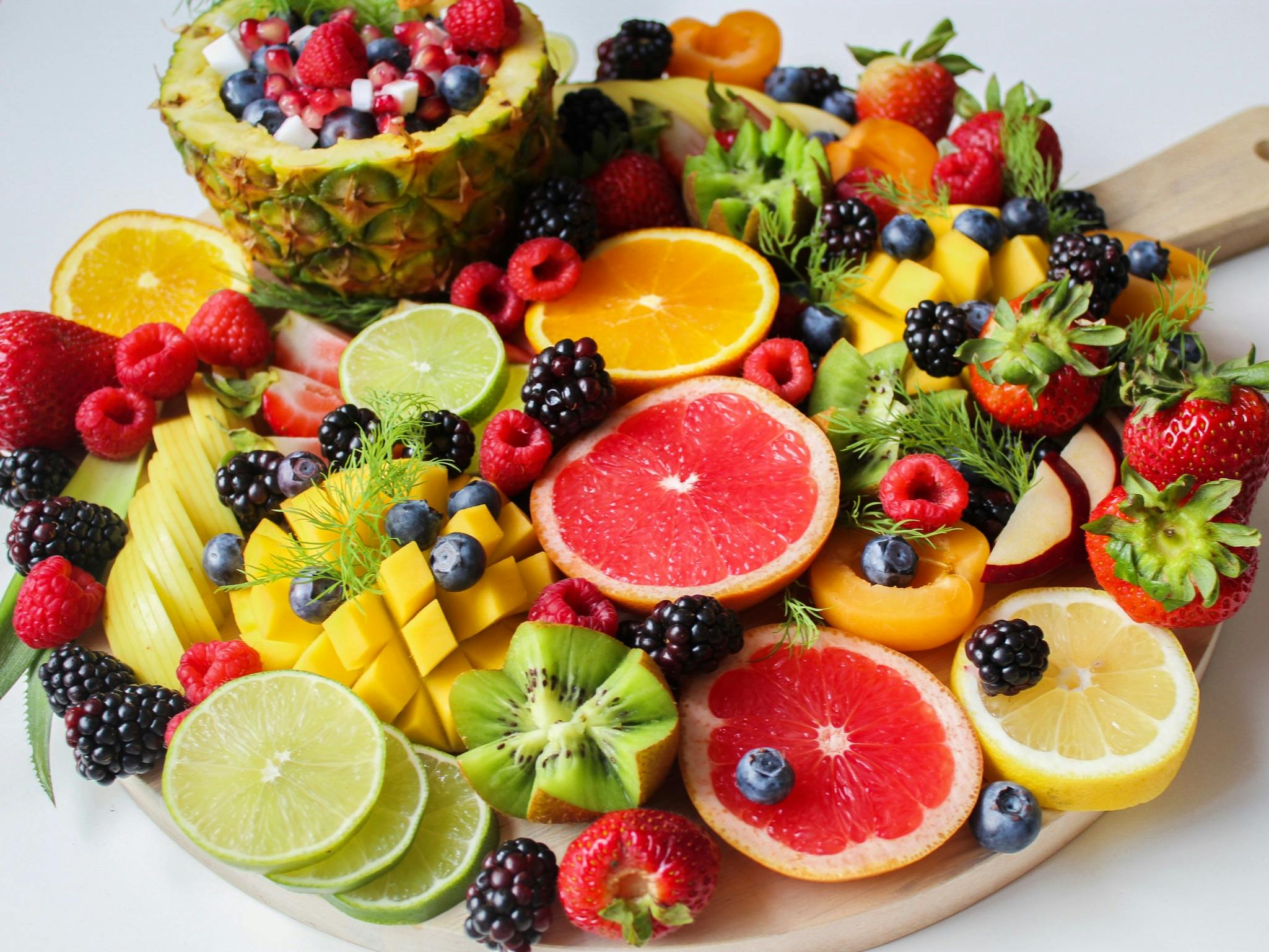
Pregnancy is a transformative phase filled with excitement, anticipation, and the need for extra self-care. A crucial part of that care is nutrition—especially fruits, which offer essential vitamins, antioxidants, hydration, and natural energy. Eating the right fruits can help support your baby’s growth, boost your immunity, assist digestion, and provide natural nourishment. However, not every fruit is suitable for pregnancy, and understanding which ones to enjoy and which to avoid ensures a safer and healthier journey.
Below is a complete guide to the best fruits to include during pregnancy and the fruits you should be cautious about. This will help you make informed choices that are both nutritious and safe.
Fruits to Eat During Pregnancy
The following fruits are packed with vitamins, minerals, and antioxidants that support both maternal and fetal health. They are easy to digest, hydrating, and beneficial when consumed in moderation and washed properly.
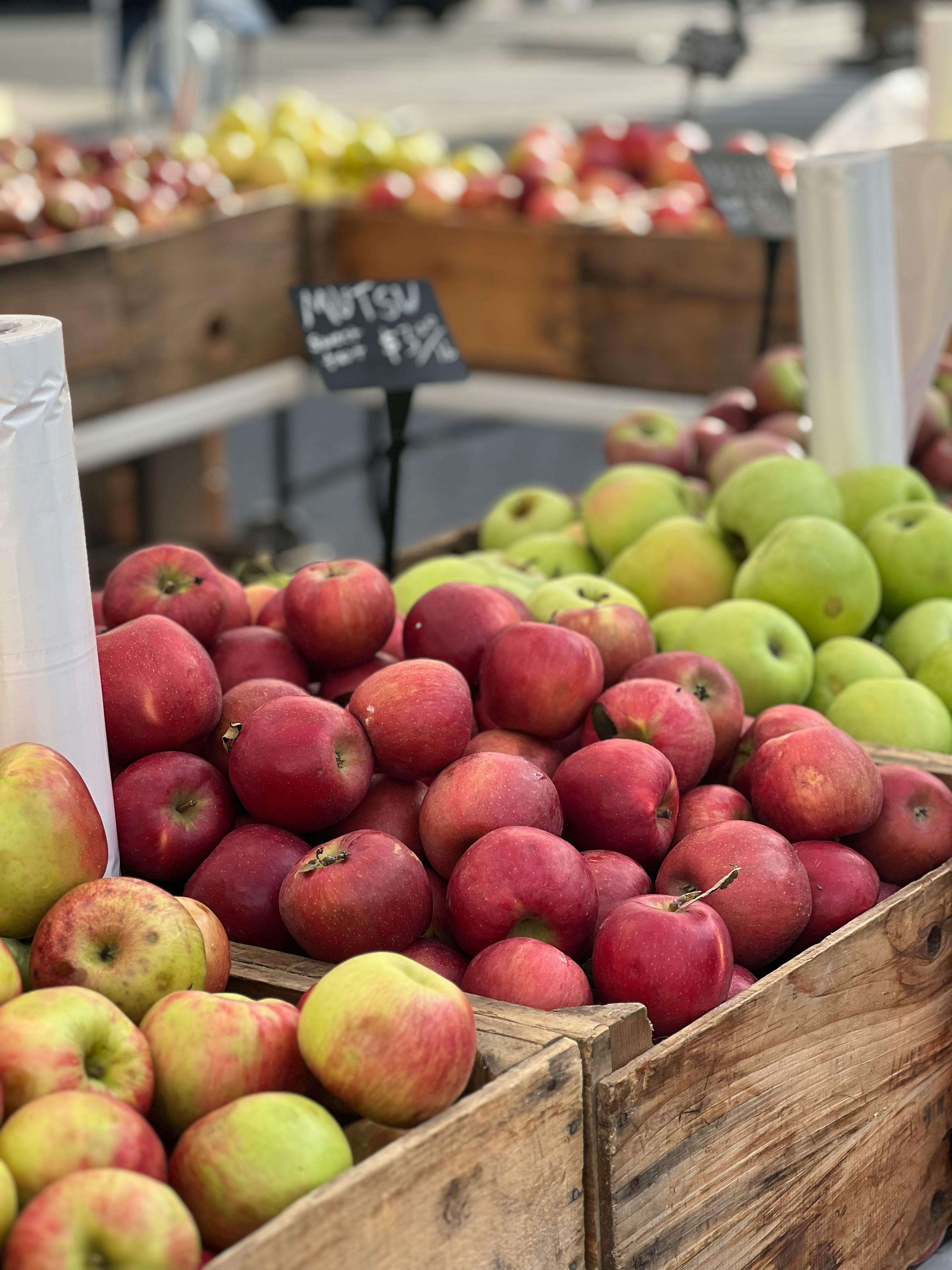
1. Apples
Apples are rich in fiber, vitamin C, potassium, and antioxidants. They support digestion, boost immunity, and contribute to heart health. Pregnant women dealing with constipation or fluctuating blood sugar levels often find apples particularly beneficial.
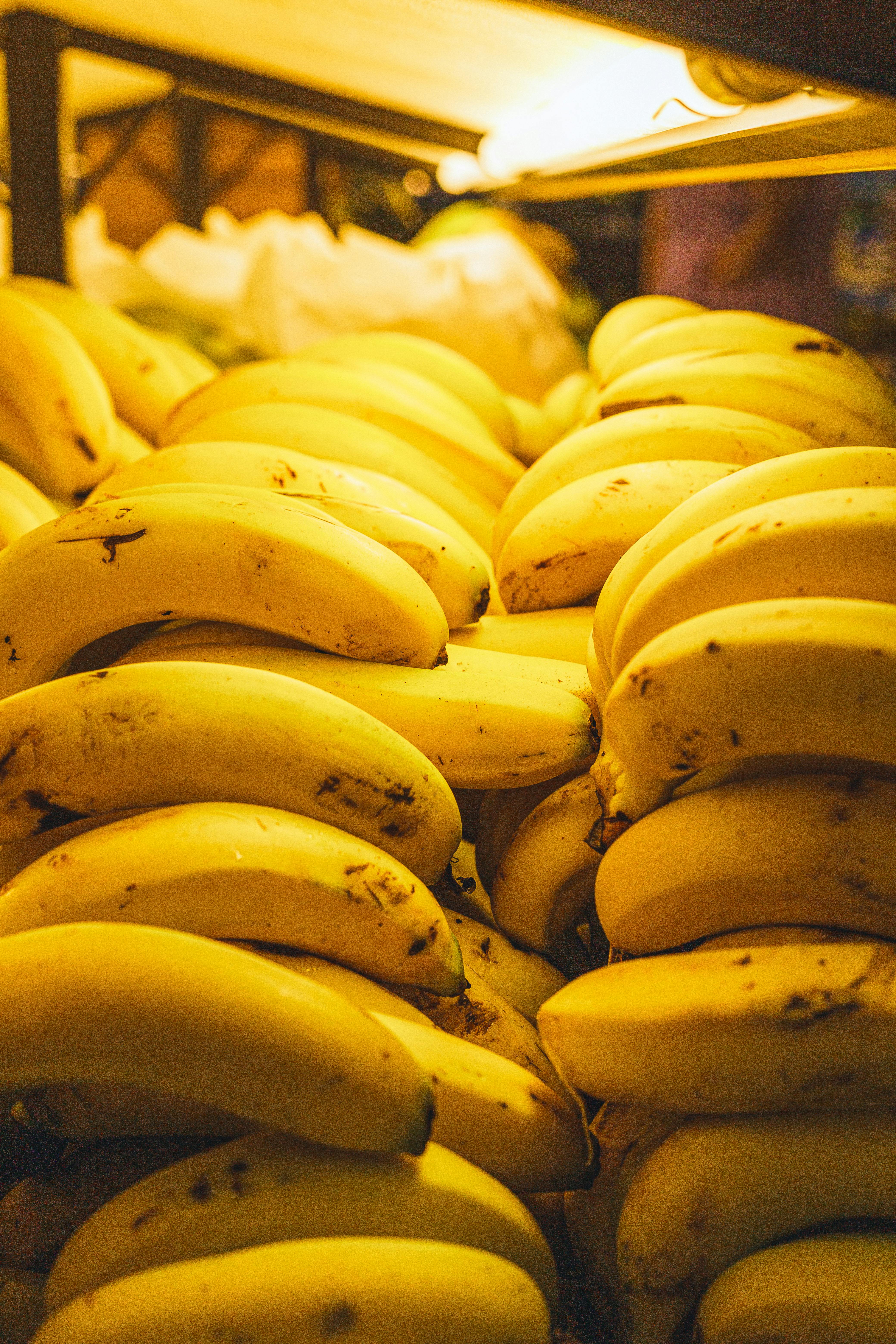
2. Bananas
Bananas are an excellent source of potassium, vitamin B6, and magnesium. They can help reduce morning sickness, balance electrolytes, and provide a quick energy boost when fatigue sets in. Their naturally soft texture also makes them stomach-friendly.
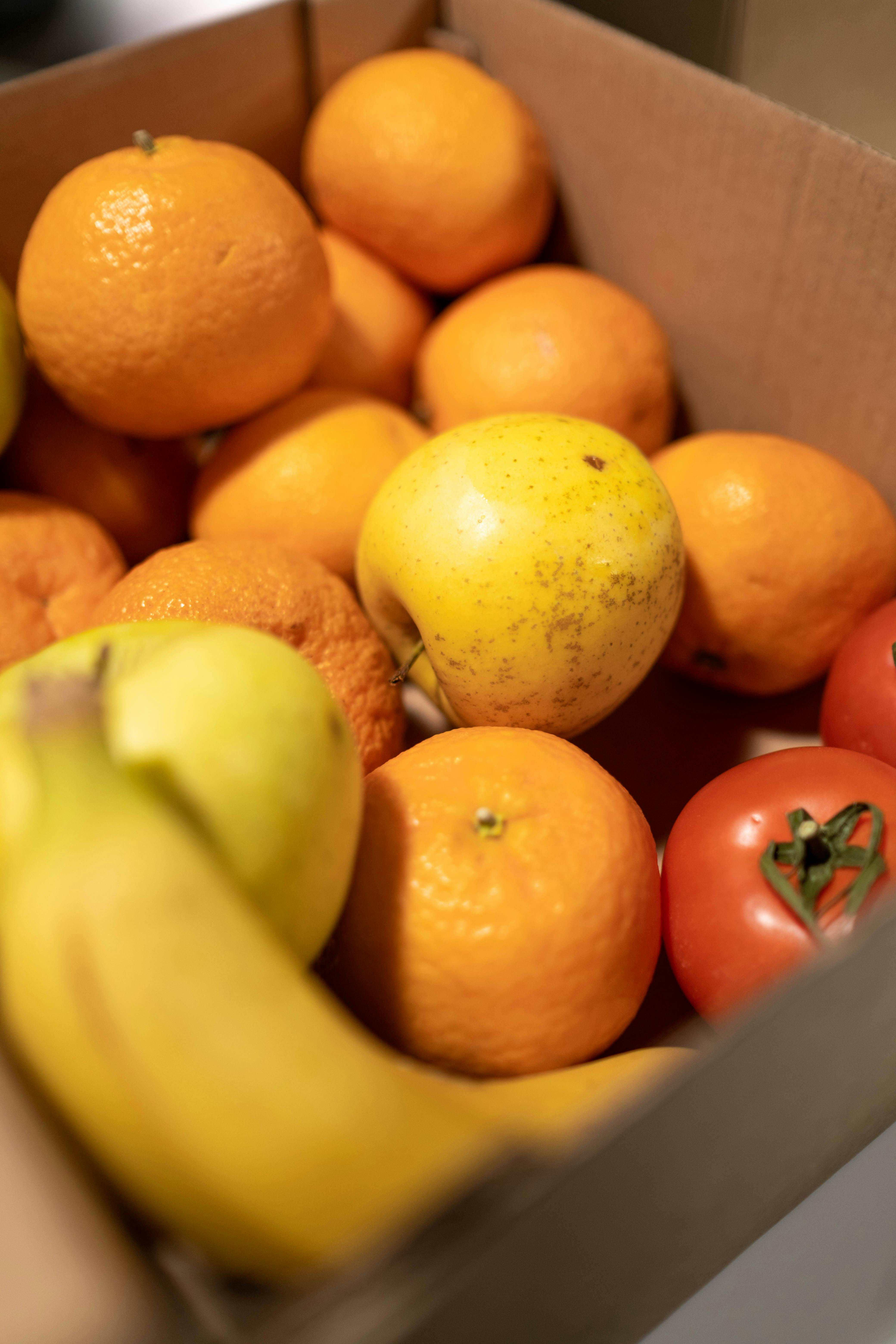
3. Oranges
Oranges offer hydration, folate, vitamin C, and natural sugars that refresh the body. They strengthen immunity, support fetal brain development, and enhance iron absorption—crucial for preventing anemia during pregnancy.
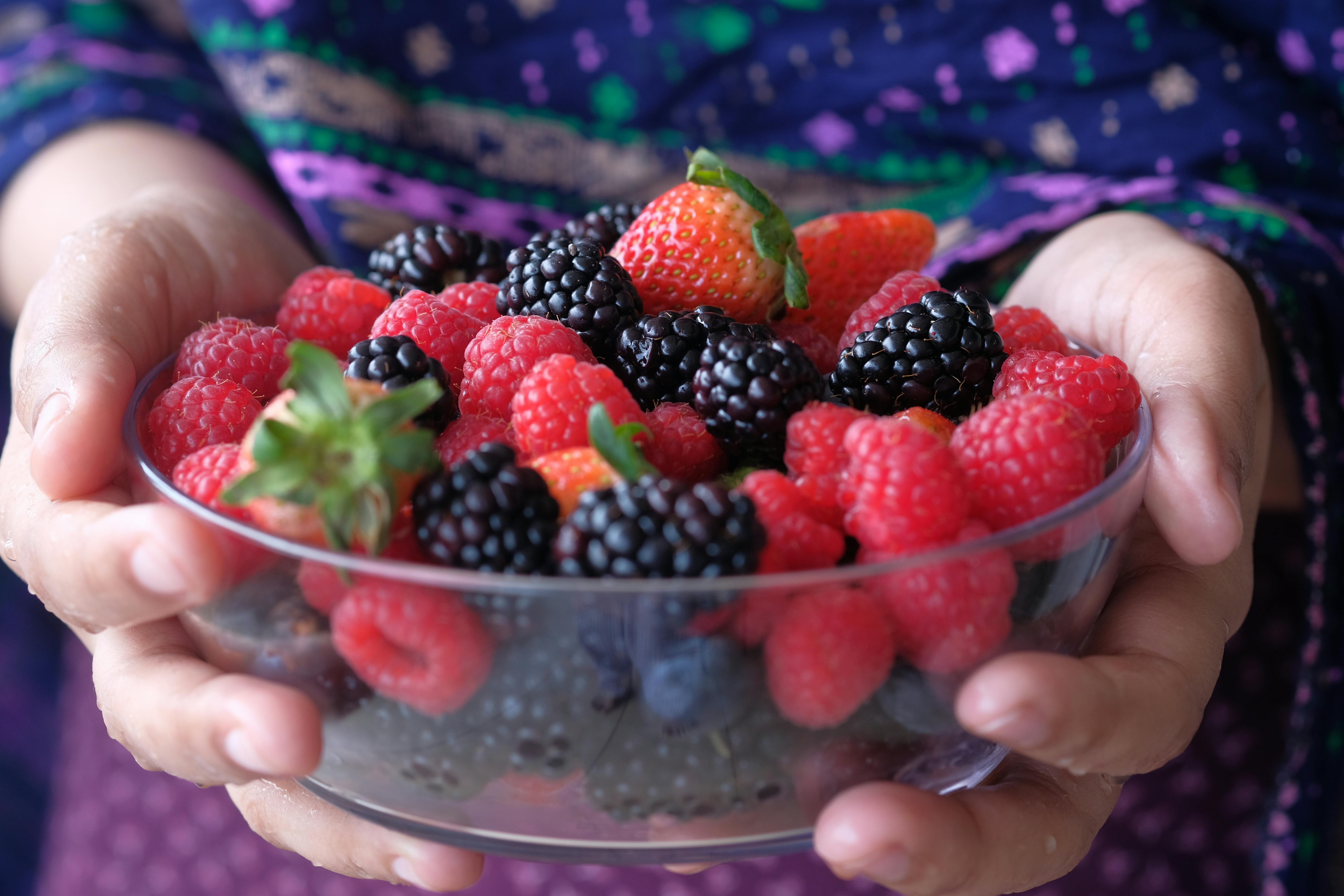
4. Berries
Blueberries, strawberries, blackberries, and raspberries are loaded with antioxidants, vitamins, and fiber. They support cell growth, improve skin health, and regulate blood sugar levels. Their low-calorie nature makes them ideal for healthy snacking.

5. Pomegranate
Pomegranate is one of the most beneficial fruits during pregnancy. It is rich in iron, antioxidants, vitamin K, and fiber—nutrients that help improve blood circulation, support bone health, and boost overall vitality. Studies show that this fruit may also help protect the placenta and support healthy fetal development. When consumed in moderation, it can be an excellent addition to a pregnancy diet.
The antioxidants present in pomegranate seeds contribute to reducing inflammation and supporting cardiovascular wellness. Its natural sweetness also makes it a refreshing alternative to processed sugary snacks. If you're curious about how this fruit supports maternal health, you can learn more about Pomegranate during pregnancy.
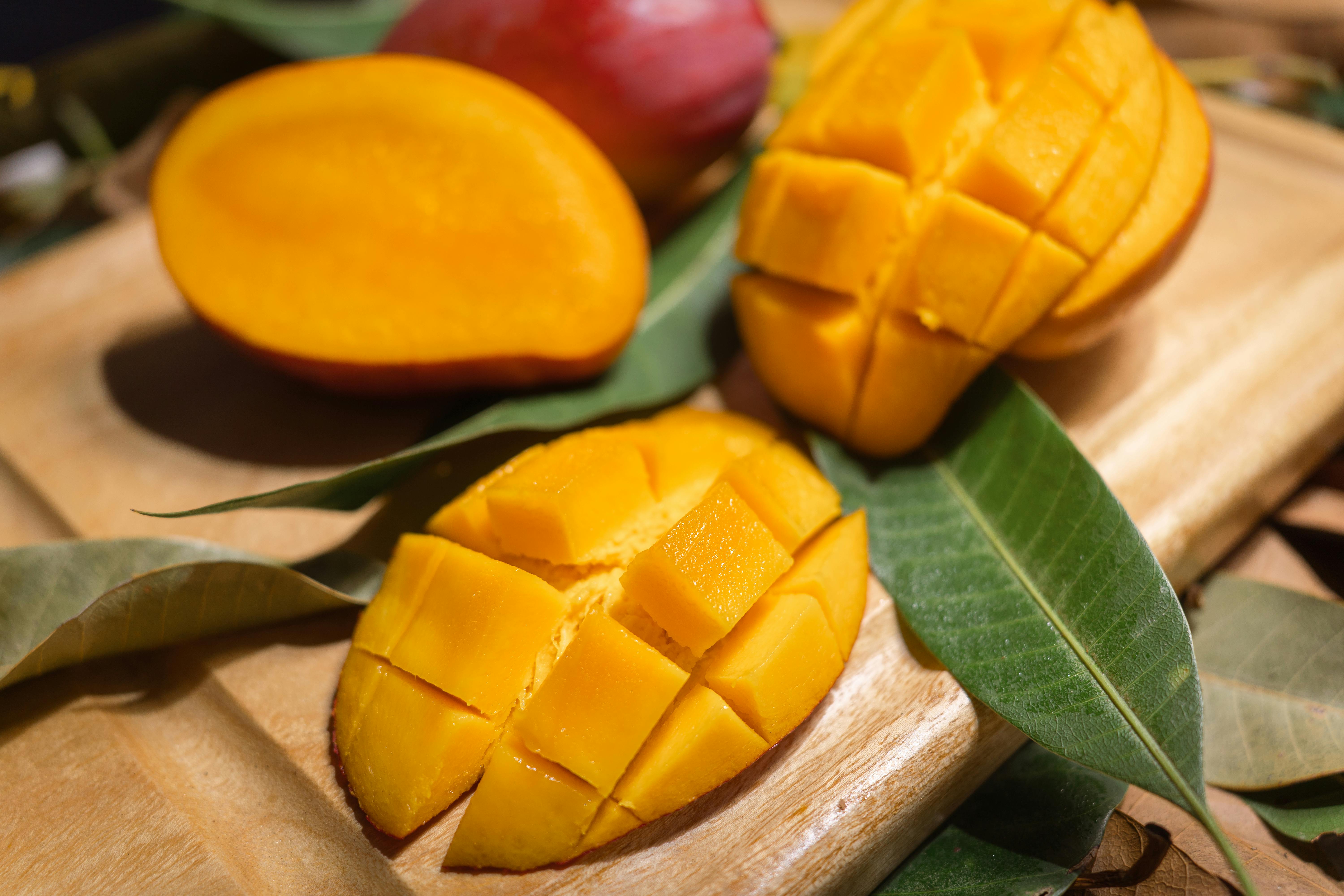
6. Mangoes
Mangoes are delicious and rich in vitamin A, vitamin C, folate, and antioxidants. They help support vision, immunity, and digestive health. However, moderation is essential due to their high natural sugar content.
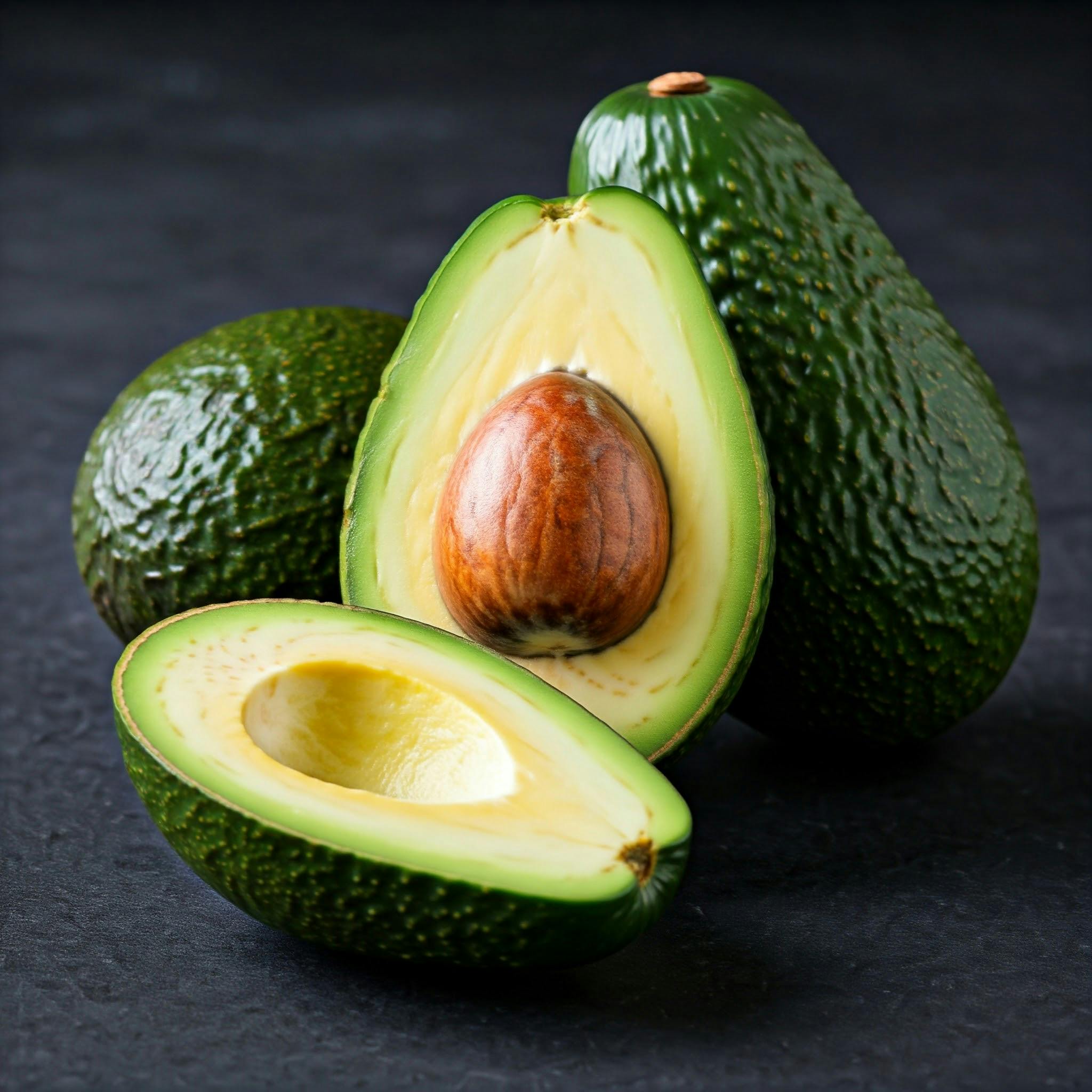
7. Avocados
Avocados offer healthy fats, folate, potassium, and vitamin E. These nutrients are essential for brain development in the fetus and support maternal heart health. The creamy texture also helps reduce nausea in early pregnancy.
Fruits to Avoid or Limit During Pregnancy
While fruits are typically safe and nutritious, a few should be limited or avoided due to potential risks such as digestive issues, bacterial contamination, or unwanted effects on the uterus.
1. Unripe Papaya
Unripe or semi-ripe papaya contains latex, which may trigger uterine contractions and is best avoided during pregnancy. Fully ripe papaya, however, is generally considered safe.
2. Pineapple (Excessive Amounts)
Pineapple contains bromelain, which may soften the cervix. Eating large quantities can lead to digestive discomfort or contractions. Occasional small portions are typically safe.
3. Grapes (Late Pregnancy)
Some experts recommend avoiding excessive grape consumption in the third trimester due to their heat-producing properties. Moderation is always key.
4. Unwashed Fruits
Unwashed fruits carry the risk of bacteria, pesticides, and harmful pathogens. Always wash thoroughly before eating.
Final Thoughts
Fruits provide essential nutrients that nurture both mother and baby. Choosing the right fruits—and avoiding those that may cause complications—can make your pregnancy journey safer, healthier, and more comfortable. Moderation, thorough washing, and variety are the keys to maintaining a balanced diet filled with natural goodness.