The Real Cost of a Tattoo: What No One Tells You and How to Budget Smartly
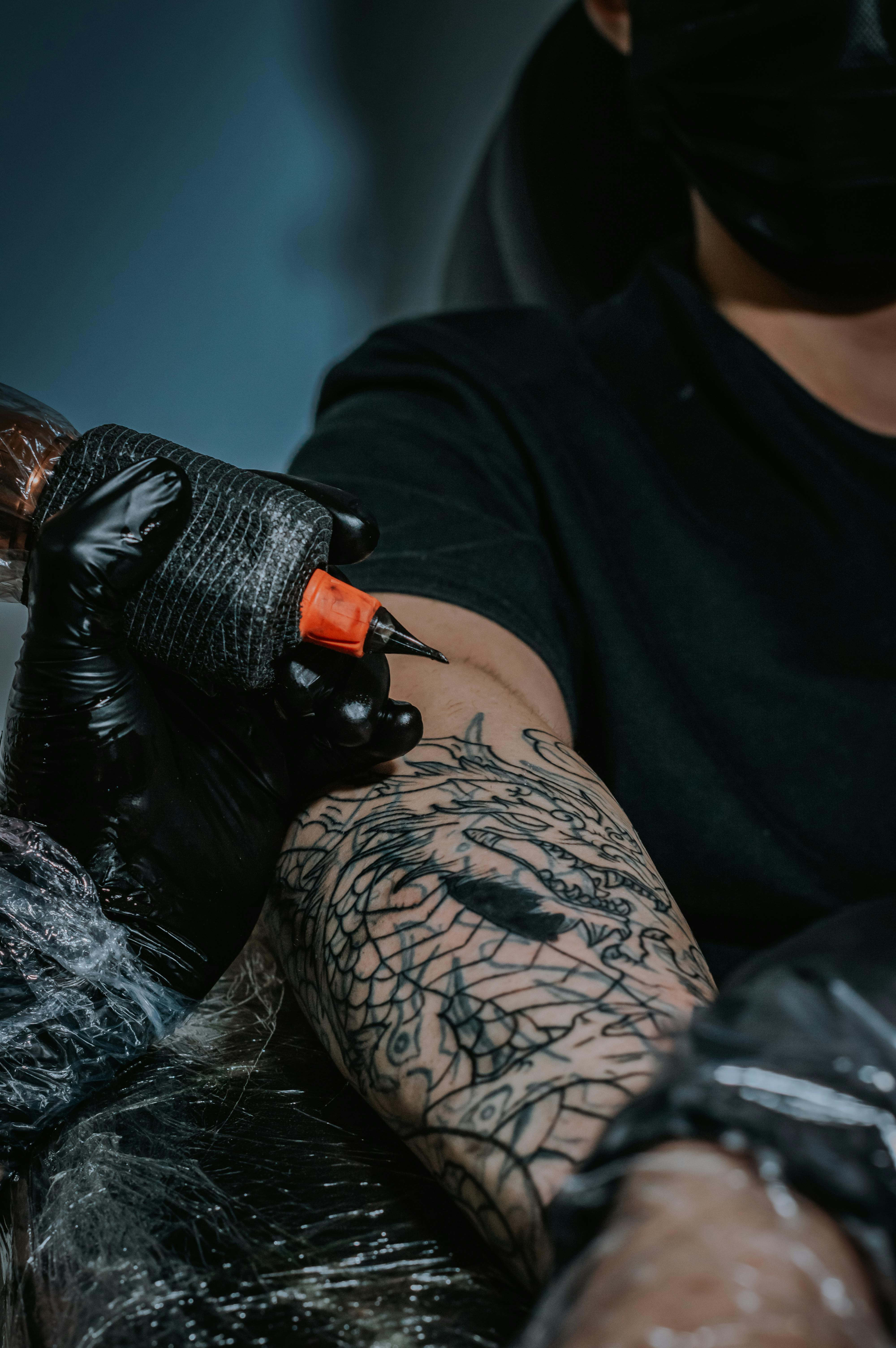
Getting a tattoo is more than an artistic choice. It is a commitment, an emotional milestone and in many cases a long-term investment. Yet most people walk into a tattoo studio with only a vague idea about pricing. They know tattoos can be expensive but they rarely understand why prices vary so dramatically. This confusion often leads to hesitation, delays or even settling for a cheaper artist which can compromise safety and quality. That is why understanding how tattoo pricing works is essential before taking the next step.
Tools like a tattoo price calculator have come into the picture to help people make informed decisions before booking an appointment. When you know what to expect, you walk into the studio with confidence instead of uncertainty. This guide breaks down the real cost structure, hidden elements of tattoo pricing and why proper budgeting matters more than you think. The second use of the keyword appears naturally when discussing how many people rely on a tattoo price calculator to plan their budget for medium and large tattoos.
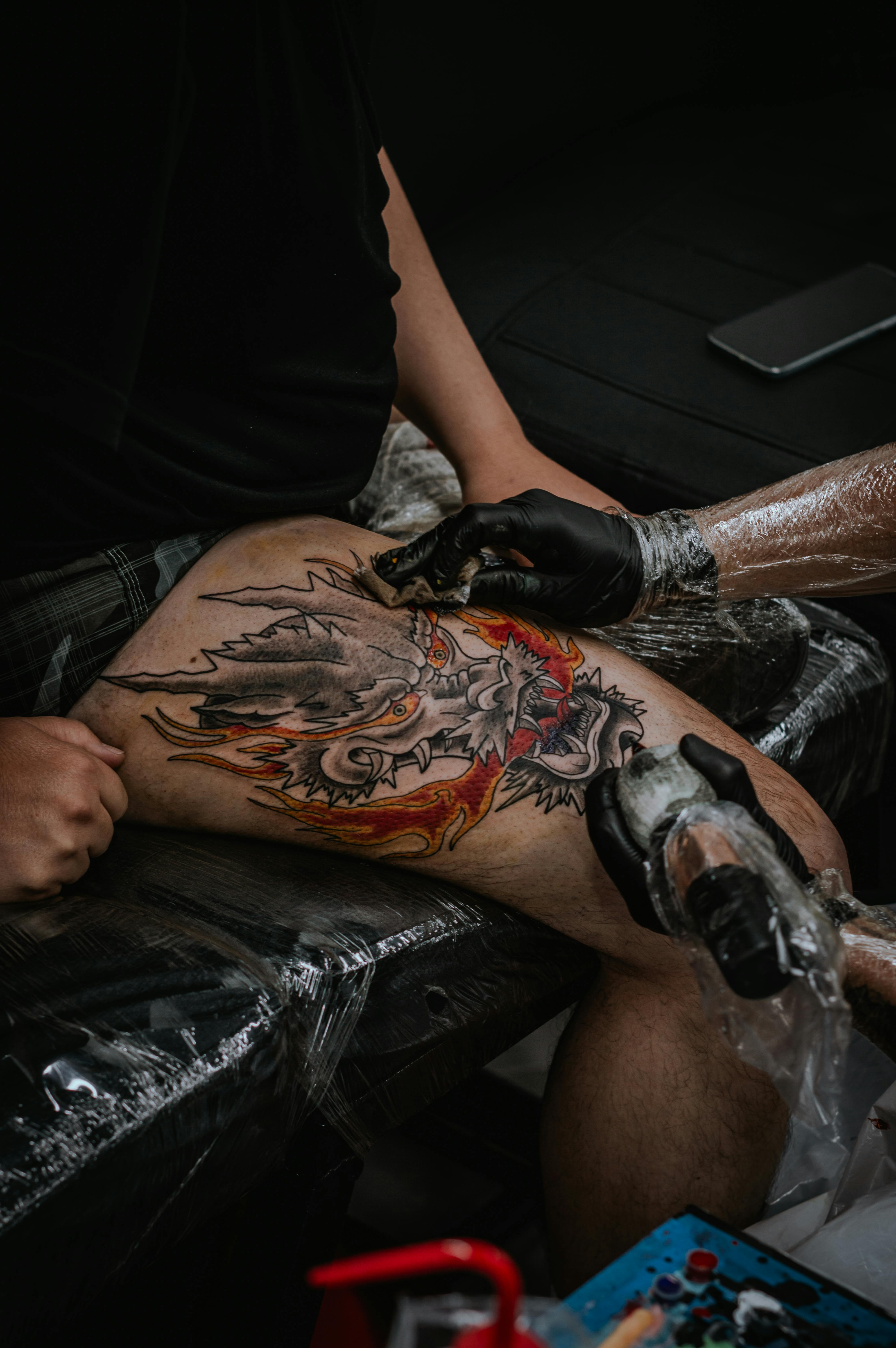
Why Tattoo Prices Vary So Much
If you have checked different tattoo artists or browsed multiple studios, you have already seen that prices are not fixed. One artist may charge a flat rate while another may quote hourly pricing. The size, complexity and color are only the starting points. The real reason behind high price variation is the combination of expertise, hygiene standards and the time required to deliver the final artwork.
Experienced artists with strong portfolios naturally charge higher rates because they bring years of skill, stability and creative precision. Studios that follow premium safety protocols also have higher operational costs which influence the final price. Even the location of the studio contributes to the pricing. A downtown studio or a well-known artist with long waiting lists will rarely charge the same as a small local shop.
What Goes Into Tattoo Pricing
Tattoo pricing includes multiple components that are often invisible to first-time clients. The design process takes time because artists sketch, refine and personalize the design to match your vision. Many people do not realize that half the effort goes into planning, testing stencils and preparing the area before the needle even touches the skin.
Then comes the session duration, size of the tattoo, shading, coloring and placement on the body. Areas such as ribs or the spine require more precision and movement control which increases time and cost. Colored tattoos demand more layers, more ink variation and more hands-on work compared to black and grey designs. All these elements influence the final bill.
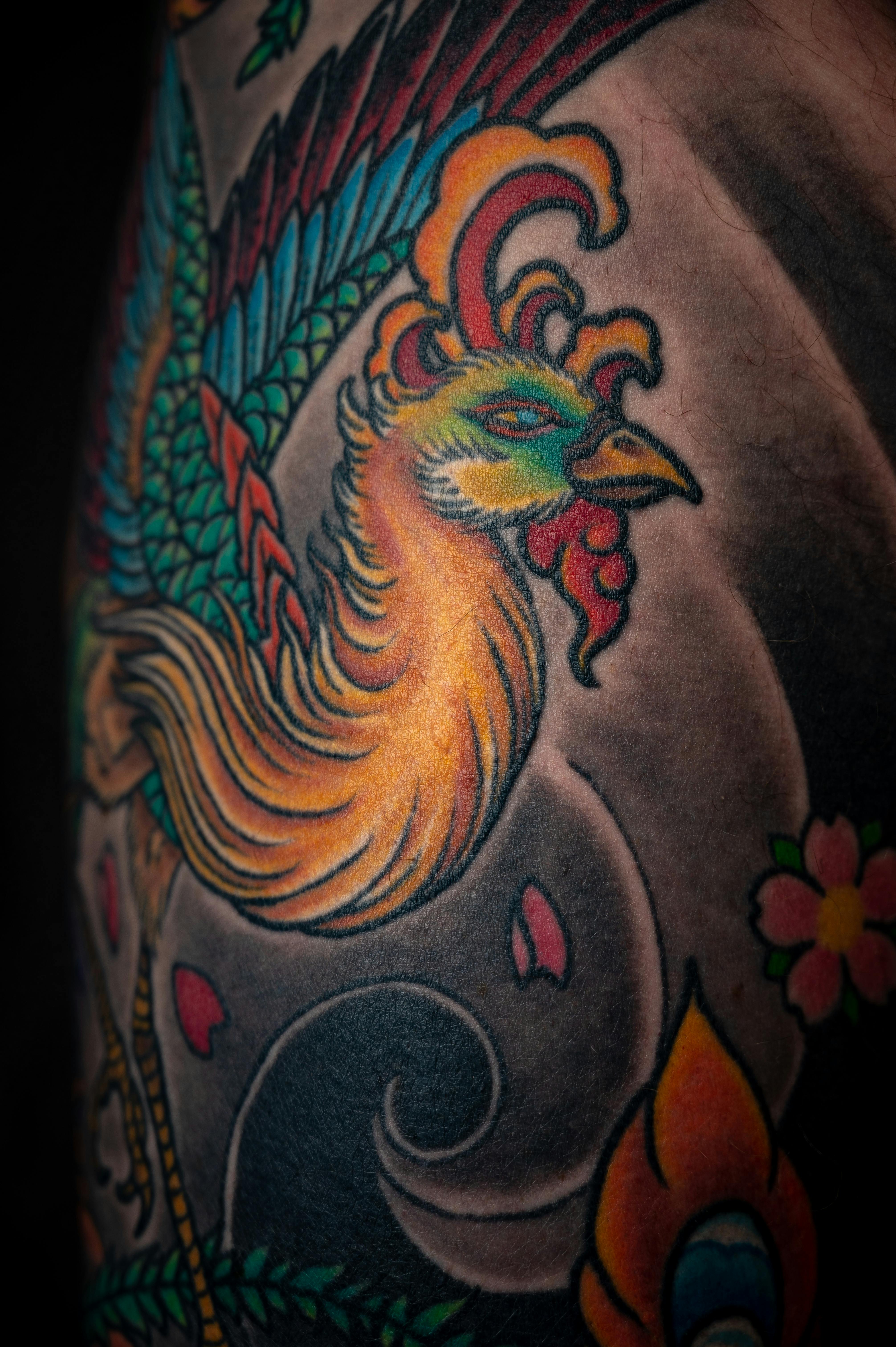
The Hidden Costs Most People Overlook
Tattoo aftercare is one of the most overlooked aspects of pricing. High-quality aftercare products, ointments and bandages are not technically included in the tattoo price but they are essential to ensure long-lasting results. Touch ups are another hidden cost. Some studios include touch ups in the initial price but not all. If the tattoo fades or needs refinement, the additional cost can surprise clients who were not informed beforehand.
Another hidden factor is the time needed for larger pieces. A sleeve or a detailed back tattoo is rarely completed in one session. The multi-session requirement increases the total cost gradually. Budgeting without accounting for these elements often leads to incomplete projects or long waiting gaps between sessions.
How Smart Planning Reduces Stress
The smartest tattoo decisions come from clear planning rather than rushed excitement. Having clarity on pricing, session duration and design scope allows you to prepare mentally and financially. The difference between a stressful tattoo experience and a smooth one lies in knowing exactly what you are stepping into.
Understanding the cost structure also helps you choose quality over shortcuts. Instead of selecting the cheapest artist, you can prioritize safety, expertise and detail. Tattoos last a lifetime, and a quality decision now saves you from regret later.

FAQs
1. Why do some artists charge hourly while others charge per design?
Hourly rates work best for large or complex designs that may require unpredictable time. Per design pricing is common for smaller or standard tattoos where time is easier to estimate.
2. How much does size influence the final tattoo cost?
Size is one of the biggest cost factors because more area means more time, more ink and more effort. Larger tattoos often need multiple sessions which increases the overall price.
3. Are colored tattoos more expensive than black and grey?
Yes, colored tattoos usually require more shading layers, more detail and more mixing of inks which contributes to a higher cost.
4. Do tattoo studios include aftercare in the price?
Some do but many do not. Aftercare products are essential and should always be factored into your total budget.
5. How can I estimate my tattoo cost more accurately?
The best approach is to consult your artist directly, share your design idea and consider using online tools that provide cost estimates based on size and complexity.